The first time I made this Sheet Pan Honey Mustard Chicken and Veggies, it was one of those Tuesday nights where I genuinely did not want to cook. The kitchen felt hot, the to-do list felt longer than the day, and I had exactly zero motivation to stand over a stove. But I also had chicken thighs that weren’t going to last another day, half a bag of baby potatoes, and a jar of whole-grain mustard staring at me from the back of the fridge. So I did what I always do when I’m running on fumes — I grabbed a sheet pan and figured it out.

- 4–6 bone-in, skin-on chicken thighs (about 2.5 lbs total)
- 1.5 lbs baby potatoes, halved
- 2 cups fresh green beans, trimmed
- 3 tablespoons whole-grain Dijon mustard
- 3 tablespoons honey
- 3 tablespoons olive oil, divided
- 3 cloves garlic, minced
- 1 tablespoon apple cider vinegar
- 1 teaspoon smoked paprika, divided
- 1 teaspoon salt, divided
- 1/2 teaspoon black pepper
- Fresh parsley, chopped, for garnish (optional)
- Preheat your oven to 425°F (220°C). High heat is essential for crispy potatoes, charred green beans, and lacquered chicken skin.
- Pat the chicken thighs completely dry with paper towels on all sides. This removes surface moisture and is the key to achieving crispy, golden skin.
- Make the honey mustard glaze: in a small bowl, whisk together the whole-grain Dijon mustard, honey, 1 tablespoon of olive oil, minced garlic, apple cider vinegar, 1/2 teaspoon smoked paprika, 1/2 teaspoon salt, and black pepper until fully combined. Taste and adjust honey or mustard to your preference.
- Toss the halved baby potatoes with 1 tablespoon of olive oil, a pinch of salt, and a pinch of smoked paprika. Spread them cut-side down in a single layer on one half of the large rimmed baking sheet, giving them space so they roast rather than steam.
- Place the dried chicken thighs skin-side up on the other half of the sheet pan beside the potatoes. Spoon about two-thirds of the honey mustard glaze generously over each piece of chicken, reserving the remaining glaze for the midpoint.
- Roast for 20 minutes without opening the oven, allowing the potatoes to begin crisping and the glaze to start caramelizing.
- Remove the pan from the oven. Toss the trimmed green beans with the remaining 1 tablespoon of olive oil and a pinch of salt, then scatter them around any open space on the pan. Spoon the reserved honey mustard glaze over the chicken for a second coat.
- Return the pan to the oven and roast for another 18–22 minutes, until the chicken skin is deep golden and caramelized, the internal temperature of the thickest piece of chicken reads 165°F on an instant-read thermometer, the potatoes are crispy on the cut side, and the green beans have slight char at the edges.
- Remove from the oven and let rest for 5 minutes. Scatter chopped fresh parsley over the pan if using, and serve directly from the sheet pan.
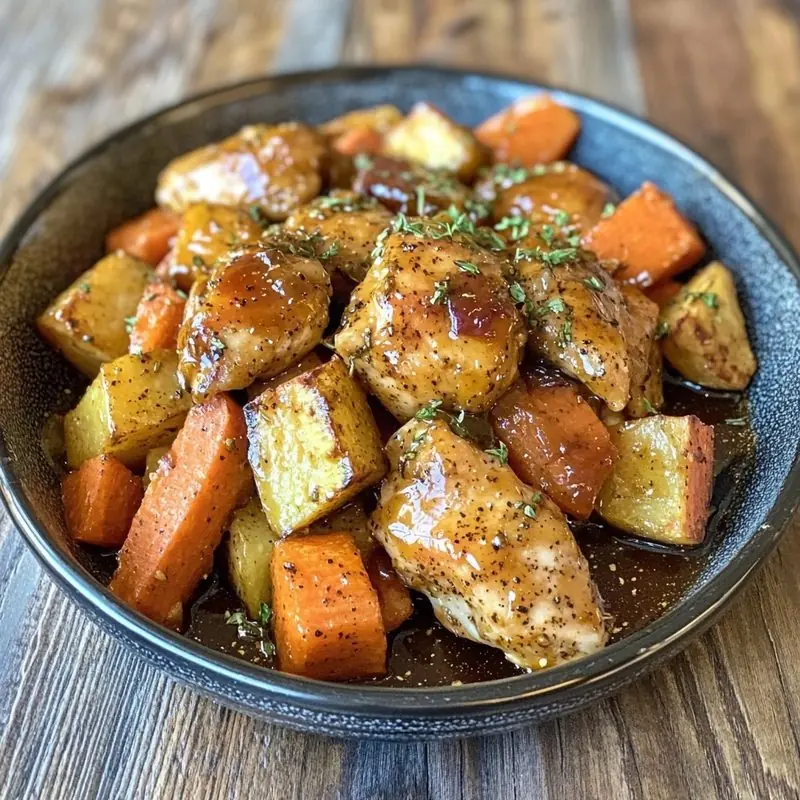
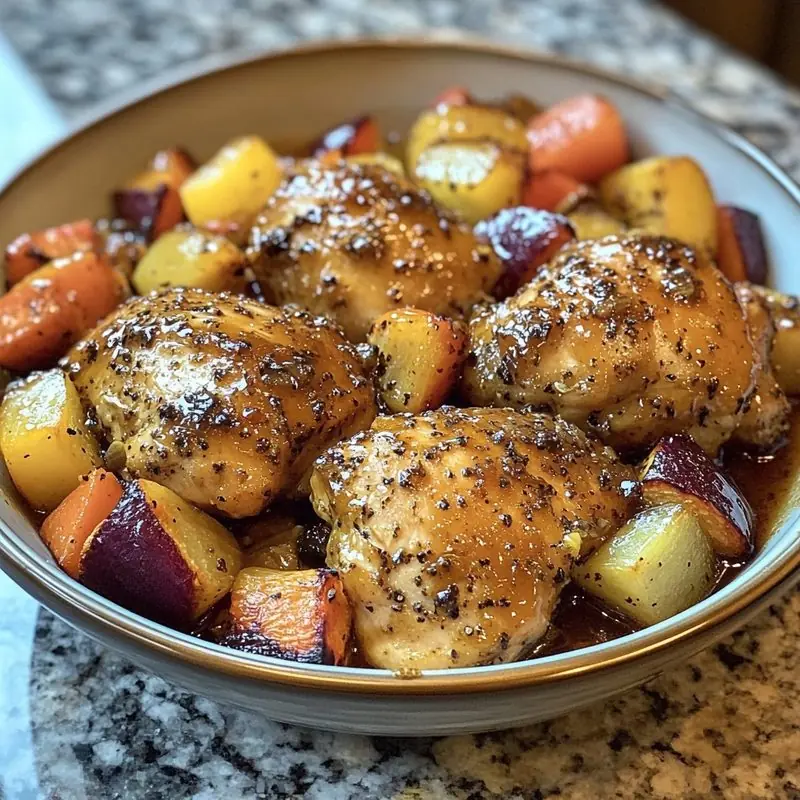
What came out of that oven forty minutes later genuinely surprised me. The chicken was golden and sticky, lacquered in this sweet, tangy honey mustard glaze that caramelized at the edges. The potatoes were crispy on the outside and fluffy inside, and the green beans had just enough char to make them feel intentional rather than thrown together. My husband came into the kitchen, looked at the pan, and said — and I quote — “Did you actually try tonight?” Reader, I had not. That’s the magic of this recipe. It looks and tastes like you put in serious effort. You didn’t. And that is a beautiful thing.
But here’s what really made this a permanent fixture in my weekly rotation: the leftovers. I packed them into my kids’ lunchboxes the very next morning, and both of them came home with empty containers. That never happens. If you’ve ever struggled with the “what do I pack for lunch” problem — whether it’s for school, work, or just yourself — this recipe solves it in the most delicious way possible. One dinner, two meals. That’s the cozy easy lunchbox dream, and this dish delivers it every single time.
Why You’ll Love This Recipe
- One pan, minimal cleanup. Everything — the chicken, the potatoes, the vegetables — roasts together on a single sheet pan. You’ll spend more time eating than you will washing dishes.
- That honey mustard glaze is seriously addictive. It’s sweet, tangy, a little sharp from the whole-grain mustard, and it clings to every piece of chicken like it was born to be there. You’ll want to put it on everything.
- It makes the best lunchbox the next day. This is not one of those dinners that turns sad and soggy overnight. The chicken holds up beautifully, the potatoes reheat like a dream, and the whole thing tastes just as good cold as it does warm.
- Kid-approved and adult-obsessed. The flavor is familiar enough that picky eaters don’t panic, but interesting enough that grown-ups genuinely look forward to it. That’s a rare and precious combination.
- It’s endlessly flexible. Swap the green beans for broccoli, use chicken breasts instead of thighs, throw in some zucchini — the glaze works with just about anything you have on hand.
What You’ll Need
One of the things I love most about this recipe is that it uses pantry staples you probably already have. Here’s your shopping list — and a few notes on the ingredients that really matter.
- Bone-in, skin-on chicken thighs (about 4–6 pieces): Thighs are my first choice here because they stay juicy and flavorful even as they roast at high heat. The skin crisps up beautifully under the glaze. If you only have boneless thighs or chicken breasts, those work too — just reduce your cook time by about 8–10 minutes and check for doneness early.
- Baby potatoes (1.5 lbs): Halved baby potatoes roast faster than large potatoes and get that gorgeous crispy cut side when they’re laid flat against the pan. Yukon Golds are my favorite here, but red potatoes work just as well.
- Fresh green beans (about 2 cups, trimmed): Green beans are my go-to for this recipe because they get slightly charred and tender in exactly the same time it takes the chicken to finish. Broccoli florets and asparagus spears are great alternatives if that’s what you have.
- Whole-grain Dijon mustard (3 tablespoons): Please don’t skip the whole-grain here if you can help it. Those little mustard seeds give the glaze texture, visual appeal, and a depth of flavor that smooth Dijon just doesn’t quite replicate. That said, smooth Dijon works perfectly fine and the flavor is still wonderful.
- Honey (3 tablespoons): Use a good honey you enjoy eating on its own. Clover honey is mild and works great, but if you have a wildflower or buckwheat honey around, the slightly more robust flavor adds a beautiful complexity.
- Olive oil (3 tablespoons, divided): You’ll toss the vegetables in some, and the glaze gets a splash too. It helps everything roast instead of steam.
- Garlic (3 cloves, minced): Fresh garlic only, please. It goes into the glaze and infuses the whole pan as it roasts. Garlic powder in a pinch — about half a teaspoon — but fresh is worth it.
- Apple cider vinegar (1 tablespoon): This is the secret ingredient that keeps the glaze from being one-note sweet. It brightens everything up and adds just a little pucker that balances the honey perfectly.
- Salt, black pepper, smoked paprika: Simple seasoning that makes a big difference. The smoked paprika adds a gentle warmth and color that makes the chicken look absolutely stunning coming out of the oven.
- Fresh parsley for garnish (optional but lovely): A handful of chopped fresh parsley scattered over the finished pan makes everything look like you actually tried.
How to Make Sheet Pan Honey Mustard Chicken and Veggies
This is a genuinely simple recipe, but a few small techniques make the difference between a good sheet pan dinner and a great one. Follow these steps and you’ll have a pan that looks like it belongs on a food magazine cover.
- Preheat your oven to 425°F. High heat is non-negotiable here. It’s what gives you crispy potatoes, charred green beans, and lacquered chicken skin. A lower temperature will leave everything soft and pale, and that’s not what we’re going for.
- Pat the chicken thighs completely dry. I know this sounds fussy, but don’t skip it. Moisture on the surface of the chicken creates steam in the oven, which is the enemy of crispy skin. Take thirty seconds to blot each piece with paper towels — you’ll thank yourself when you pull the pan out.
- Make the honey mustard glaze. In a small bowl, whisk together the whole-grain Dijon mustard, honey, one tablespoon of olive oil, minced garlic, apple cider vinegar, half a teaspoon of smoked paprika, half a teaspoon of salt, and a generous crack of black pepper. Taste it. It should be tangy, sweet, and a little sharp — adjust the honey or mustard to your preference. This glaze is also fantastic on salmon if you want to try something different, and it pairs beautifully with the kind of meals I share in my easy weeknight sheet pan dinners collection.
- Season and arrange the potatoes. Toss the halved baby potatoes with a tablespoon of olive oil, a pinch of salt, and a pinch of smoked paprika. Spread them cut-side down on one half of your sheet pan in a single layer. Give them space — crowded potatoes steam, they don’t roast. Use a large rimmed baking sheet (18×13 inches is ideal) so everything has room to breathe.
- Arrange the chicken thighs. Place the dried chicken thighs skin-side up on the other half of the sheet pan, nestled right next to the potatoes. Spoon about two-thirds of the honey mustard glaze generously over each piece of chicken. Reserve the rest of the glaze for later — we’re going to add another coat midway through.
- Roast for 20 minutes. Slide the pan into your hot oven and let it go for 20 minutes. You’ll start to smell the garlic and honey caramelizing — it’s one of the best smells in the world. Don’t open the oven during this time. Let the heat do its work.
- Add the green beans and glaze again. After 20 minutes, pull the pan out. Toss the trimmed green beans with the remaining tablespoon of olive oil and a pinch of salt, then scatter them around the pan wherever there’s space. Spoon the reserved honey mustard glaze over the chicken one more time. This second coat is what gives the chicken that gorgeous sticky, caramelized finish.
- Roast for another 18–22 minutes. Return the pan to the oven and continue roasting until the chicken skin is deeply golden and a meat thermometer inserted into the thickest part reads 165°F. The green beans should be tender with some charred edges, and the potatoes should be golden and crispy on their cut sides. If your chicken needs a little more color, you can broil for 2–3 minutes at the very end — keep a close eye on it so the glaze doesn’t burn.
- Rest and garnish. Let the chicken rest on the pan for about 5 minutes before serving. Scatter fresh parsley over everything if you’re using it. Then serve it straight from the pan — that’s the whole point of sheet pan cooking, and it never gets old.
Tips, Variations, and Lunchbox Packing Notes
After making this Sheet Pan Honey Mustard Chicken and Veggies more times than I can count, I’ve picked up a few tricks that make it even better. Here’s everything I know.
Don’t crowd the pan.
This is the single most important tip for any sheet pan dinner. If your ingredients are piled on top of each other, they steam instead of roast, and you lose all that beautiful caramelization. If your pan is small, divide everything between two sheet pans and rotate them halfway through cooking.
Line your pan with foil or parchment.
The honey in the glaze will caramelize and stick to the pan if you don’t. Foil is my preference here because it conducts heat well and makes cleanup genuinely effortless. Just fold it up and toss it when you’re done.
Swap the vegetables with confidence.
Broccoli florets, asparagus spears, sliced zucchini, cherry tomatoes, red onion wedges — this glaze works beautifully with all of them. Just keep in mind that more delicate vegetables (like cherry tomatoes or asparagus) should be added in the last 15 minutes of cooking so they don’t overcook. Heartier options like broccoli or Brussels sprouts can go in with the potatoes from the start.
Make it spicy.
Add a teaspoon of sriracha or a pinch of cayenne to the glaze for a honey mustard with a kick. It’s incredible, and my husband requests this version at least twice a month. If you love bold flavors like that, my spicy sheet pan chicken recipes page has a few more ideas you’ll want to save.
Storage and reheating.
Store leftovers in an airtight container in the refrigerator for up to 4 days. To reheat, spread everything on a baking sheet and warm in a 375°F oven for about 10 minutes — it crisps everything back up beautifully. A microwave works in a pinch, though the skin won’t be as crispy. This dish also tastes fantastic cold straight from the fridge, which is one of the reasons it’s such a perfect lunchbox meal.
Packing the perfect lunchbox.
This is genuinely one of the best pack-ahead meals I’ve found. Shred or slice the chicken off the bone, pack it with some potatoes and green beans in a divided container, and you’ve got a lunch that feels like a real meal rather than an afterthought. I add a little side of extra honey mustard sauce (just whip up a quick spoonful of mustard and honey) for dipping, and my kids go absolutely wild for it. If you’re packing this for work, it reheats well in a microwave — about 2 minutes covered, stirring halfway through. You can also find more ideas like this in my cozy lunchbox meal prep recipes guide.
Make it ahead for the week.
This recipe is a meal prepper’s dream. Make a double batch on Sunday, portion it into containers, and you’ve got lunch or a quick reheatable dinner for most of the week. The flavors actually deepen as it sits, so day two and day three might be even better than day one. For more inspiration on making one dinner stretch into multiple meals, check out my sheet pan meal prep ideas for the week post — it’s full of ideas just like this.
Add a grain for a more filling meal.
Serve this over a bed of fluffy white rice, quinoa, or even orzo to make it a more substantial meal. The extra honey mustard glaze that pools at the bottom of the pan is basically a sauce at this point, and it’s absolutely incredible spooned over grains. Don’t waste a drop of it.
Frequently Asked Questions About Sheet Pan Honey Mustard Chicken and Veggies
Can I use boneless, skinless chicken thighs or breasts instead?
Absolutely, yes. Boneless, skinless thighs are a great swap and will cook more quickly — start checking for doneness around the 30-minute mark total. Chicken breasts work too, but they can dry out faster than thighs, so keep a close eye on them and pull them as soon as they hit 165°F internally. The glaze works beautifully on both cuts, so don’t let the bone-in requirement stop you.
How do I know when the chicken is done?
The most reliable way is a meat thermometer — you’re looking for an internal temperature of 165°F in the thickest part of the thigh, away from the bone. Visual cues help too: the skin should be deep golden brown and the juices should run clear when you cut into it. If you’re new to cooking chicken, an instant-read thermometer is one of the best kitchen investments you can make. It takes all the guesswork out of it.
Can I make the honey mustard glaze ahead of time?
Yes, and I’d actually encourage it. The glaze comes together in about two minutes, but making it the night before gives the garlic time to mellow and all the flavors time to blend together. Store it covered in the fridge for up to a week. It’s also incredible as a salad dressing, a dipping sauce for pretzels, or spread on a sandwich — so make extra and find all the ways to use it.
What’s the best way to reheat leftovers so they don’t get soggy?
The oven is your best friend here. Spread the leftovers on a foil-lined baking sheet and reheat at 375°F for about 10 minutes. This crisps everything back up and the chicken skin gets its texture back. If you’re at work or school without oven access, the microwave works fine — just cover loosely and heat in short bursts so you don’t overcook the chicken. The dish honestly tastes so good even cold that I often eat it straight from the container without reheating at all.
Can I add other vegetables to this sheet pan dinner?
One hundred percent. This recipe is incredibly flexible. Broccoli, Brussels sprouts, red onion, bell peppers, zucchini, cherry tomatoes, and asparagus all work wonderfully with this glaze. The key is thinking about cook time — harder vegetables like Brussels sprouts and broccoli go in at the beginning with the potatoes, while more delicate ones like cherry tomatoes or asparagus get added in the last 15 minutes. You can also look at my best vegetables for sheet pan dinners post for a full breakdown of timing for different vegetables.
Go Make This Tonight
If you’ve been scrolling past sheet pan dinner recipes thinking they’re all kind of the same, this one will change your mind. The honey mustard glaze makes it genuinely special — it’s the kind of flavor that has people asking you for the recipe even when you serve it as a casual weeknight dinner. And knowing that the leftovers are going to make your lunchbox situation effortlessly cozy the next day? That’s just the best kind of bonus a recipe can offer.
Make it once and I promise it goes into the regular rotation. When you do, come back and leave a comment — I love hearing how it turned out in your kitchen, what vegetables you used, whether your kids actually ate the green beans (mine didn’t the first three times, and now they fight over them). And if you’re saving this for later, pin it! It’ll be right there waiting for you on a Tuesday night when you need it most.