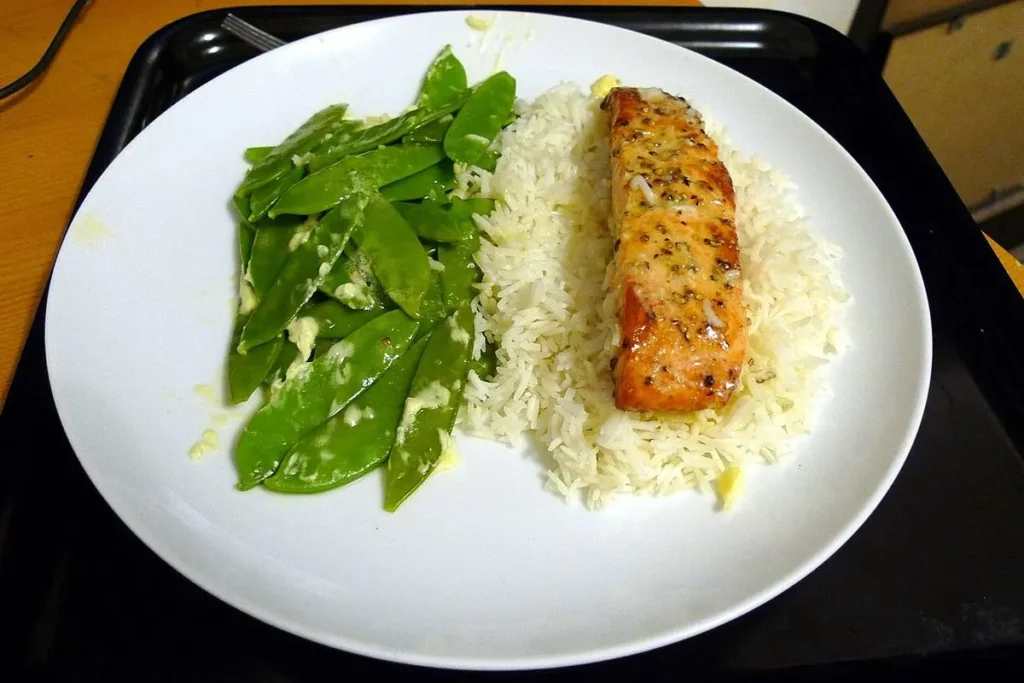
Garlic Butter Air Fryer Salmon is a weeknight hero: rich, flaky fillets with a lightly crisped exterior, coated in a savory garlic butter glaze, and done in about 12 minutes of cook time. It suits anyone who wants a genuinely impressive dinner without spending an hour in the kitchen — beginner cooks and seasoned home chefs alike.
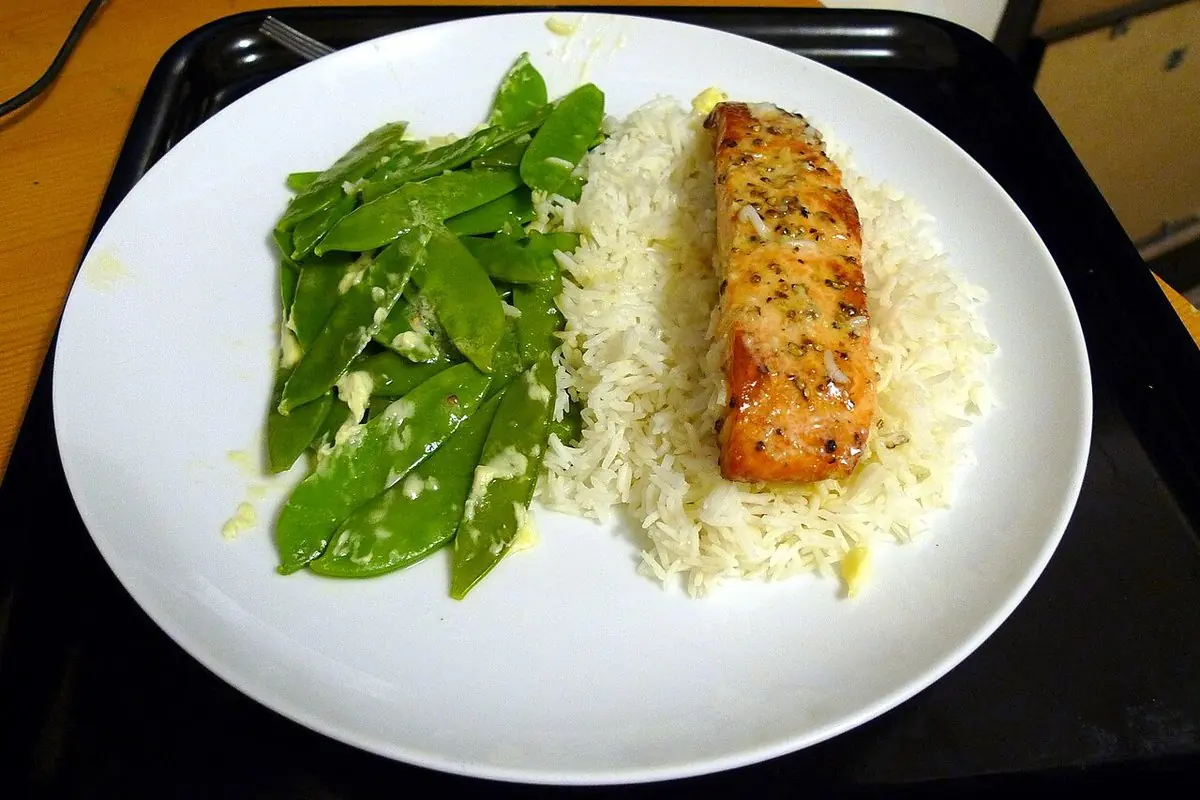
- 2 salmon fillets, skin-on, 6 oz each (about 1 to 1.5 inches thick)
- 3 tablespoons unsalted butter, melted
- 3 cloves garlic, freshly minced
- 1 tablespoon fresh lemon juice
- 1 teaspoon lemon zest
- 1 teaspoon Dijon mustard
- 1 teaspoon honey
- 1/2 teaspoon smoked paprika
- 1/2 teaspoon kosher salt
- 1/4 teaspoon freshly cracked black pepper
- Nonstick cooking spray or neutral oil, for the basket
- Fresh parsley or dill, for finishing (optional)
- Lemon wedges, for serving
- Pull the salmon fillets from the refrigerator about 15 minutes before cooking and let them rest at room temperature. This prevents uneven cooking where the outside overtightens before the center is done.
- In a small bowl, stir together the melted butter, minced garlic, lemon juice, lemon zest, Dijon mustard, honey, and smoked paprika until fully combined and glossy. Set the garlic butter glaze aside.
- Pat the salmon fillets completely dry on all sides, including the skin, using paper towels. Removing surface moisture is essential for achieving a crisped exterior rather than a steamed, pale one.
- Season both sides of each fillet with kosher salt and freshly cracked black pepper just before cooking.
- Preheat the air fryer to 400°F and let it run for 3 minutes. A properly preheated basket ensures the fish starts crisping immediately on contact rather than steaming.
- Lightly spray the air fryer basket with nonstick cooking spray or brush it with a small amount of neutral oil to prevent the salmon skin from sticking.
- Place the salmon fillets skin-side down in the basket, leaving at least 1 inch of space between them for air circulation. Brush the tops and sides generously with half of the garlic butter glaze.
- Air fry at 400°F for 5 minutes to set the surface and begin building color on the glaze.
- Open the basket and brush the tops of the fillets with the remaining garlic butter glaze. Continue air frying for an additional 5 to 7 minutes, depending on the thickness of the fillets and your preferred doneness.
- Check for doneness using an instant-read thermometer inserted into the thickest part. For fully cooked, flaky fish, aim for 145°F. For a silkier, more restaurant-style texture, pull the salmon at 125°F to 130°F. The flesh should flake easily when pressed gently with a fork and the edges should be lightly golden.
- Let the salmon rest in the basket or on a plate for 2 minutes before serving. This allows carry-over heat to finish cooking and juices to redistribute through the flesh.
- Finish with fresh chopped parsley or dill and serve with lemon wedges on the side.
What makes this version stand out is the two-step flavor approach. A quick pat-dry and a short rest at room temperature before cooking means the heat hits the fish efficiently, creating that slightly caramelized edge without drying out the center. Then there’s the garlic butter — brushed on before and halfway through cooking — which builds layers of savory, golden richness that you’d normally only get from a restaurant sear. The air fryer circulates hot air at high speed, so the outside firms up beautifully while the inside stays that deep, coral-pink, buttery soft texture that makes salmon worth eating in the first place.
This isn’t just fast food. It’s genuinely delicious, restaurant-quality salmon that happens to come together on a Tuesday night with one bowl, a brush, and an air fryer basket.
Why You’ll Love This Recipe
- Ready in under 20 minutes total — from fridge to table, including prep, it’s faster than delivery.
- Minimal cleanup — one small bowl for the garlic butter, one air fryer basket. That’s it.
- Foolproof doneness — the air fryer’s consistent heat makes it nearly impossible to burn the outside before the inside cooks through, unlike a screaming-hot skillet.
- Flexible for any diet — naturally gluten-free, low-carb, and high-protein. Swap the butter for ghee or a plant-based alternative and it works for dairy-free cooks, too.
- Scales easily — cook two fillets for a quiet weeknight dinner or four fillets in batches for the whole family, with identical results every time.
What You’ll Need
These ingredients are simple, but each one earns its place. Here’s what you’re working with and why it matters:
- Salmon fillets (6 oz each, skin-on): Skin-on fillets hold together better in the air fryer basket and protect the bottom of the fish from direct heat. Atlantic or sockeye both work — Atlantic is milder and fattier (more forgiving), sockeye is leaner with a deeper flavor and needs slightly less cook time. Aim for fillets that are roughly even in thickness, about 1 to 1.5 inches, so they cook at the same rate.
- Unsalted butter (3 tablespoons, melted): Butter gives the richest, most complex glaze. Using unsalted lets you control the salt level precisely. If you need dairy-free, refined coconut oil works and doesn’t overpower the fish.
- Garlic (3 cloves, freshly minced): Fresh garlic is non-negotiable here. Pre-minced jarred garlic has a sharper, slightly sour bite that becomes unpleasant under direct heat. Fresh garlic mellows into something sweet and nutty as it cooks.
- Lemon juice (1 tablespoon, freshly squeezed): Acid brightens the whole dish and cuts through the richness of the butter. Bottled lemon juice is too flat — fresh only.
- Lemon zest (1 teaspoon): The zest carries the floral, aromatic oils of the lemon without adding more liquid, which could steam the fish instead of crisping it.
- Dijon mustard (1 teaspoon): This is the secret weapon. It acts as an emulsifier that keeps the butter glaze from sliding off the fish, and it adds a barely-there tang that makes the flavor more complex without tasting mustardy.
- Honey (1 teaspoon): Just enough to encourage caramelization on the surface and add a whisper of sweetness that balances the garlic and lemon. Skip it if you’re strictly low-carb.
- Smoked paprika (½ teaspoon): Adds color and a subtle smoky depth that complements salmon’s natural richness.
- Kosher salt and black pepper: Season the fish directly before it goes in the basket — salting too early draws out moisture.
- Fresh parsley or dill, for finishing: Optional, but a handful of fresh herbs makes the finished dish look and taste noticeably more vibrant.
How to Make Garlic Butter Air Fryer Salmon
- Bring the salmon to room temperature. Pull the fillets from the fridge about 15 minutes before cooking. Cold fish hitting a hot air fryer cooks unevenly — the outside can tighten up and overcook before the center reaches the right temperature. This short rest makes a real difference.
- Make the garlic butter glaze. In a small bowl, stir together the melted butter, minced garlic, lemon juice, lemon zest, Dijon mustard, honey, and smoked paprika until fully combined. The mixture will look glossy and slightly thick — that’s exactly what you want. Set it aside.
- Pat the salmon completely dry. Use paper towels to press firmly on all sides of the fillets, including the skin. Surface moisture turns to steam in the air fryer, and steam is the enemy of a nicely crisped exterior. This one step is the difference between salmon that looks great and salmon that looks pale and soft.
- Season the fillets. Sprinkle both sides with kosher salt and a generous amount of freshly cracked black pepper. Season just before cooking, not in advance.
- Preheat the air fryer. Set it to 400°F and let it run for 3 minutes. Preheating is essential — a cold basket means the fish will sit and steam instead of immediately starting to cook on contact. Most air fryers reach temperature quickly, but skipping this step often results in uneven cooking.
- Lightly oil the basket. Spray the air fryer basket with a light coat of nonstick cooking spray or brush it with a little neutral oil. Salmon skin can stick, especially on wire baskets, and you want it to lift cleanly.
- Brush the fillets with half the garlic butter. Place the salmon skin-side down in the basket, leaving at least an inch of space between fillets for air circulation. Brush the tops and sides generously with half of the garlic butter mixture. Don’t hold back — this is the first layer of flavor.
- Air fry for 5 minutes. At 400°F, the first 5 minutes set the surface and start building color on the glaze.
- Brush with remaining garlic butter and continue cooking. Open the basket and brush the tops of the fillets with the remaining garlic butter. This second application builds a richer, more caramelized layer. Continue air frying for another 5 to 7 minutes, depending on the thickness of the fillets and your preferred doneness.
- Check for doneness. The FDA recommends salmon reach an internal temperature of 145°F, which gives fully opaque, flaky fish. For a silkier, more restaurant-style texture, pull it at 125°F to 130°F — the center will still be slightly translucent and deeply moist. Use an instant-read thermometer inserted into the thickest part for accuracy. Visually, the flesh should flake easily when pressed gently with a fork, and the edges should be lightly golden.
- Rest briefly and serve. Let the salmon rest in the basket or on a plate for 2 minutes before serving. The carry-over heat finishes the job and the juices redistribute through the flesh. Finish with fresh parsley or dill and a few lemon wedges on the side.
Serving Ideas
Garlic Butter Air Fryer Salmon is versatile enough to anchor almost any plate. For a classic weeknight dinner, serve it over fluffy white rice or herbed quinoa with a simple side of roasted asparagus or green beans — the garlic butter drips down into the grain and makes everything taste better. For something lighter, flake the cooked salmon over a crisp green salad with cucumber, avocado, and a lemon-tahini dressing. If you love salmon bowls, pair it with honey garlic salmon bowls ingredients like edamame, pickled ginger, and sesame rice for a full build-your-own bowl situation. It also works beautifully in tacos — break the fillets into large pieces and tuck them into warm corn tortillas with shredded cabbage and a creamy chipotle sauce.
Tips, Variations & Storage
Smart Tips
- Don’t crowd the basket. Air fryers work by circulating hot air around the food. If the fillets are touching or overlapping, the air can’t flow and you lose the crisped exterior. Cook in batches if needed.
- Skin-on vs. skinless: Skin-on fillets are more forgiving and easier to flip cleanly. If you’re using skinless fillets, reduce the cook time by about 1 minute and handle them gently — they’re more delicate without the skin’s structure.
- Frozen salmon: You can cook salmon fillets directly from frozen in the air fryer. Add 7 to 8 minutes to the total cook time, brush on the garlic butter about halfway through, and use the thermometer to verify doneness rather than relying on timing alone.
- Different air fryer models: Basket-style air fryers tend to run slightly hotter than oven-style air fryers. If you have an oven-style model, you may need to add 2 to 3 minutes. Always use the thermometer as your final check.
Flavor Variations
- Cajun-style: Replace the smoked paprika with 1 teaspoon of Cajun seasoning and skip the honey. Great served over dirty rice or with corn on the cob.
- Teriyaki glaze: Swap the garlic butter for a mix of soy sauce, sesame oil, brown sugar, and minced ginger. Brush on the same way and air fry at 390°F instead of 400°F to prevent the sugar from scorching.
- Herb-crusted: Press a mixture of panko breadcrumbs, Parmesan, and chopped fresh dill onto the top of the buttered fillet before it goes in the basket. The coating turns golden and crunchy — a great contrast to the flaky fish. This pairs well with the lemon garlic roasted potatoes on the side for a full dinner.
- Miso butter: Stir 1 tablespoon of white miso paste into the melted butter instead of Dijon. It adds a deep, umami-forward savory note that’s especially good over rice.
Storage & Reheating
Leftover Garlic Butter Air Fryer Salmon keeps well in an airtight container in the refrigerator for up to 3 days. For the best texture when reheating, avoid the microwave — it generates steam and turns the flesh rubbery. Instead, return it to the air fryer at 325°F for 3 to 4 minutes, just until warmed through. Alternatively, eat it cold, flaked over a grain bowl or salad — cold cooked salmon is genuinely excellent and needs zero reheating. This fish also freezes well for up to 2 months; thaw overnight in the fridge before reheating.
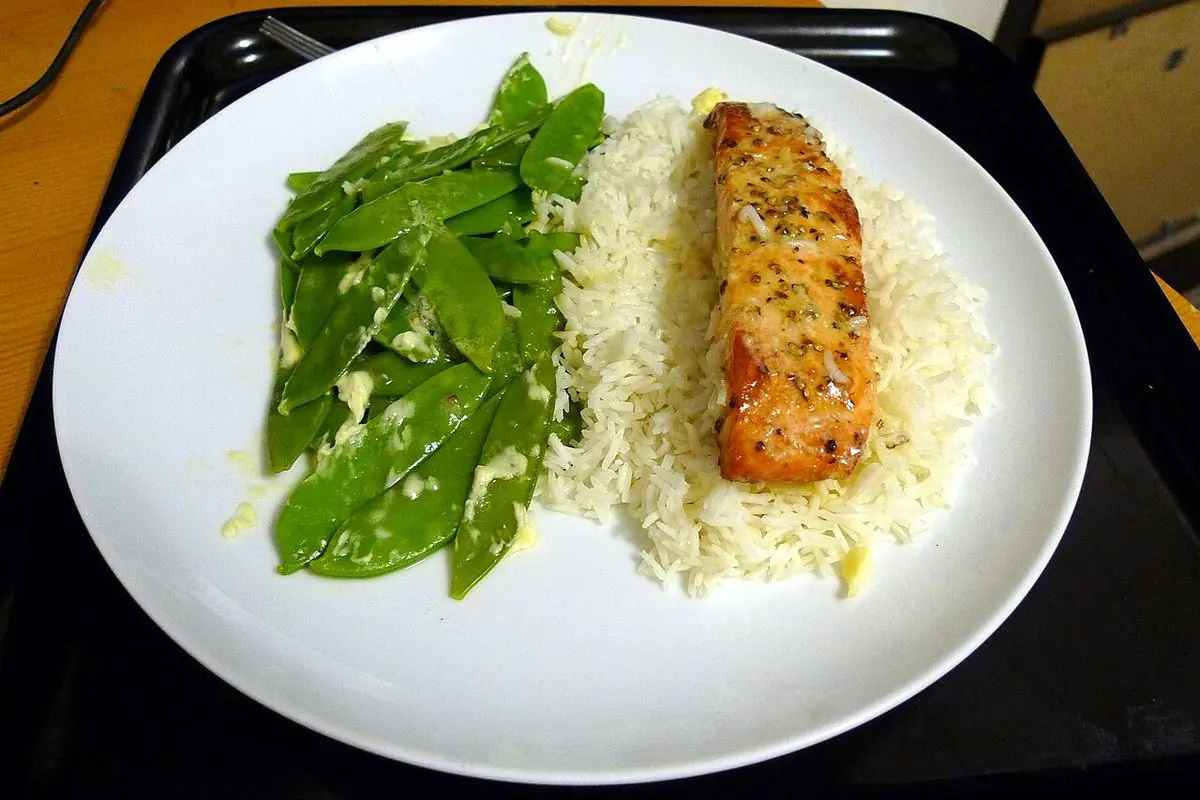
If you enjoy fast, high-quality fish dinners, you’ll also love apple cider glazed salmon, which uses a tangy-sweet glaze that leans into fall flavors beautifully. And for a full spread, the garlic parmesan roasted broccoli is an effortless side that cooks at the same temperature and pairs perfectly with the richness of this salmon.
Common Mistakes & Fixes
The salmon is dry and chalky
What went wrong: It cooked too long, or the temperature was too high for the thickness of the fillet. Thin fillets (under 1 inch) cook very fast — just 8 to 9 minutes total at 400°F is often enough.
Fix going forward: Always use an instant-read thermometer. Pull the salmon at 125°F to 130°F for moist, restaurant-style texture, or 145°F for fully cooked. Set a timer for 2 minutes less than you think you need and check early — you can always add time, but you can’t undo overcooking.
The glaze burned before the fish was cooked through
What went wrong: The honey and butter hit the basket at too high a heat for too long, or the basket wasn’t preheated properly and the fish sat in one spot too long.
Fix going forward: Apply the first layer of garlic butter, cook for 5 minutes, then add the second coat. This staggered approach means less total exposed time for the sugars to scorch. If your air fryer runs hot, reduce the temperature to 390°F.
The skin is sticking to the basket
What went wrong: The basket wasn’t greased, or you tried to flip the fish too early before the skin had a chance to release naturally.
Fix going forward: Always spray the basket before adding the fish. And resist the urge to move the fillets in the first 5 minutes — the skin will release cleanly on its own once it has crisped enough. If you try to move it too soon, it tears.
The outside looks pale and steamed, not golden
What went wrong: The fish wasn’t patted dry, the basket was overcrowded, or the air fryer wasn’t preheated.
Fix going forward: Pat the salmon aggressively dry with paper towels before brushing on the glaze. Make sure there’s space between fillets. And always preheat — this is probably the single most skipped step that hurts results.
Frequently Asked Questions About Garlic Butter Air Fryer Salmon
What temperature should air fryer salmon be cooked at?
For this recipe, 400°F is the sweet spot. It’s high enough to create a lightly caramelized exterior and cook the fish through quickly, but not so aggressive that the garlic butter glaze burns before the center is done. If your air fryer runs noticeably hot, drop it to 390°F. Thinner fillets under an inch thick will be done closer to 8 to 9 minutes total; thicker fillets up to 1.5 inches may need the full 12 minutes.
Do I need to flip the salmon in the air fryer?
No — and in most cases, you shouldn’t. Cooking skin-side down the entire time protects the more delicate flesh from direct heat and helps the skin crisp cleanly. Flipping risks breaking the fillet, especially after the garlic butter has softened the surface. If you’re using skinless fillets and want color on both sides, flip very gently at the halfway point using a wide spatula.
Can I use frozen salmon fillets?
Yes, the air fryer handles frozen salmon surprisingly well. Increase the total cook time to roughly 18 to 22 minutes at 400°F, applying the garlic butter glaze around the 10-minute mark once the surface has thawed and dried out enough to hold it. Use an instant-read thermometer rather than timing alone — frozen fillets vary in thickness and density, so the numbers are a guideline, not a guarantee.
How do I know when air fryer salmon is done without a thermometer?
Press the thickest part of the fillet gently with a fork. If the flesh flakes apart in large, clean segments and has gone from translucent to opaque throughout, it’s done to the FDA’s recommended 145°F. For a moister, slightly under-set texture, pull it when the very center is still just barely translucent — the residual heat will finish it during the 2-minute rest. That said, a $10 instant-read thermometer takes the guesswork out entirely and is worth having for any fish recipe.
What’s the best type of salmon to use in the air fryer?
Atlantic salmon is the most widely available and forgiving — its higher fat content means it stays moist even if it cooks a minute or two longer than ideal, making it a great choice if you’re new to air fryer salmon. Sockeye is leaner and more intensely flavored, with a slightly shorter cook window; it’s excellent if you like a bolder, more complex fish. King (Chinook) salmon is the most luxurious option — buttery and rich, it shines with simple seasoning. Whatever variety you use, look for fillets with bright color, firm flesh, and no fishy smell beyond a clean, ocean-fresh scent. If you enjoy bold salmon preparations, the miso butter salmon bowls recipe is a natural next step with a similar quick-cook approach.
Try It Tonight
Garlic Butter Air Fryer Salmon is the kind of recipe that earns a permanent spot in weeknight rotation. It’s genuinely fast, the flavor is rich and layered, and it delivers consistent results even when you’re tired and working on autopilot. The air fryer does most of the heavy lifting — your job is simply to season well, pat dry, and not walk away. Once you nail it the first time, you’ll find yourself reaching for this method whenever there’s a salmon fillet in the fridge.
Give it a try this week, and if you try a variation — Cajun, herb-crusted, teriyaki — come back and leave a comment. And if you found this helpful, save the pin so it’s easy to find the next time you need a fast, satisfying dinner on the table in under 20 minutes.
Note: photos on this site are AI-generated illustrations of the finished dish. Recipes are developed from established cooking techniques; adjust seasoning and doneness to taste.