The first time I made a lemon pound cake loaf from scratch, I was standing in my kitchen on a rainy Saturday afternoon with a pile of lemons I’d bought on sale and absolutely no plan for them. I’d been meaning to use them all week — in salad dressings, in water, in something — but there they sat, getting more fragrant by the day. So I did what any reasonable person does when life gives you an overripe situation: I baked a cake.
- 1 1/2 cups all-purpose flour, spooned and leveled
- 1/2 teaspoon baking powder
- 1/4 teaspoon baking soda
- 1/2 teaspoon fine salt
- 1/2 cup (1 stick) unsalted butter, softened to room temperature
- 1 cup granulated sugar
- 3 large eggs, room temperature
- 1/2 cup full-fat sour cream
- 2 tablespoons fresh lemon juice
- 1 tablespoon lemon zest
- 1 teaspoon pure vanilla extract
- 1/2 teaspoon lemon extract
- 1 cup powdered sugar, sifted
- 2–3 tablespoons fresh lemon juice (for glaze)
- 1/2 teaspoon lemon zest (for glaze, optional)
- Preheat your oven to 325°F (165°C). Grease a 9×5-inch loaf pan with butter or nonstick spray, then line it with parchment paper leaving a 2-inch overhang on the two long sides. Grease the parchment as well and set aside.
- In a medium bowl, whisk together the flour, baking powder, baking soda, and salt until evenly combined. Set aside.
- In a large mixing bowl, beat the softened butter and granulated sugar together with a hand mixer on medium-high speed for 3 to 4 full minutes, until the mixture is pale, fluffy, and almost white. Don’t rush this step — the aeration here is key to the cake’s lift.
- Add the tablespoon of lemon zest directly to the creamed butter and sugar and beat for another 30 seconds to let the zest bloom into the fat.
- Add the eggs one at a time, beating well for about 30 seconds after each addition. The batter may look slightly curdled between additions — this is normal; keep beating and it will come together.
- Add the sour cream, 2 tablespoons of fresh lemon juice, vanilla extract, and lemon extract. Mix on low speed until just combined. The batter may look slightly lumpy at this stage — that is perfectly fine.
- Add the dry ingredient mixture all at once and mix on low speed just until no streaks of flour remain. Finish with a few folds of a rubber spatula to scrape the bottom of the bowl. Do not over-mix.
- Pour the batter into the prepared loaf pan and smooth the top with a spatula. Gently tap the pan on the counter once or twice to release any large air bubbles.
- Bake at 325°F for 55 to 65 minutes, or until a toothpick inserted into the center comes out with just a few moist crumbs and the top is golden with a slight crack down the center. If the top is browning too quickly after 40 minutes, tent loosely with foil.
- Allow the cake to cool in the pan for 10 to 15 minutes while you make the glaze.
- To make the lemon glaze, whisk together the sifted powdered sugar, 2 tablespoons of fresh lemon juice, and optional lemon zest in a small bowl. Add the remaining tablespoon of lemon juice gradually until the glaze is thick but pourable.
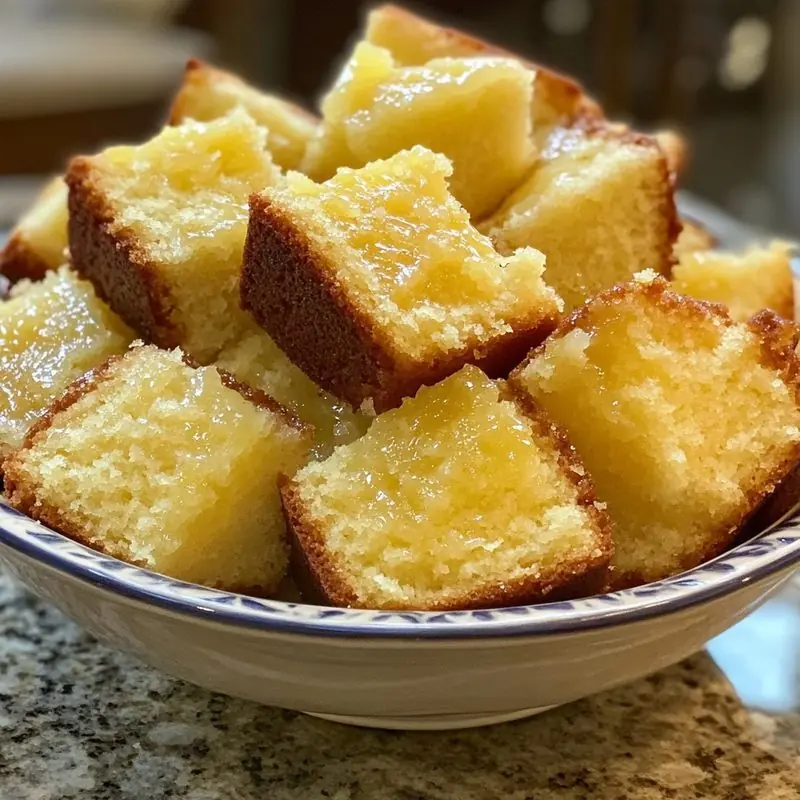
- Use the parchment sling to lift the warm cake out of the pan and set it on a wire rack placed over a sheet of parchment or a baking sheet. Pour the glaze over the warm cake, letting it soak into the cracks and drip down the sides.
- Allow the glaze to set for at least 10 minutes before slicing and serving.
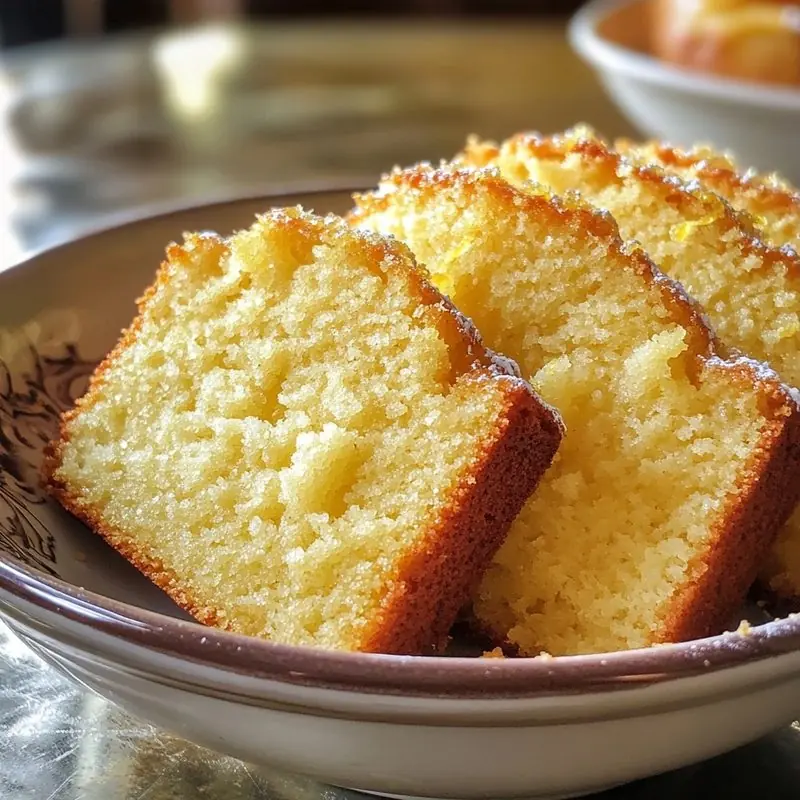
And honestly? It changed my whole relationship with baking. I know that sounds dramatic, but hear me out. This lemon pound cake loaf is the kind of recipe that feels fancy and special without asking anything hard of you. The batter comes together in one bowl. The ingredients are things you probably already have. And when it comes out of the oven — golden on top, slightly crackled down the center, smelling like a lemon grove on a warm afternoon — you’ll feel like an absolute genius. The lemon glaze goes on while the cake is still warm, soaking into those little cracks and pooling in all the right places. Every slice is moist, dense in the best possible way, and bright with real citrus flavor that just wakes up your whole mouth.
This is the loaf I bring to baby showers and teacher appreciation days. It’s the one my neighbor requests every spring. It’s the cake I make when I want to feel like I really did something, even on a budget. A few lemons, pantry staples, about an hour of your time — and you’ve got something that looks and tastes like it came from a bakery counter. Let me show you exactly how to make it.
Why You’ll Love This Lemon Pound Cake Loaf
- Budget-friendly ingredients. We’re talking flour, butter, eggs, sugar, and lemons — nothing exotic, nothing expensive. You can make this loaf for well under five dollars, and it feeds a crowd.
- Incredibly moist texture. Full-fat sour cream is the secret weapon here. It adds richness and keeps the crumb tender for days. This cake does not dry out.
- Real lemon flavor in every layer. We’re using lemon zest in the batter, fresh lemon juice in the glaze, and a touch of lemon extract to really drive that citrus note home. No artificial taste, just bright, sunny lemon.
- Easy enough for beginner bakers. No stand mixer required (though you can use one). No fancy techniques. Just mix, pour, and bake. If you can cream butter and sugar, you can make this cake.
- Stays fresh for days. Pound cake actually gets better on day two. Make it ahead for a brunch, a gift, or a week of afternoon slices with your coffee. It holds beautifully at room temperature.
What You’ll Need
Let’s talk ingredients, because the details here really do matter. I’ve made this loaf probably forty times over the years, and I’ve learned exactly what makes it sing — and what shortcuts quietly kill it.
For the Cake
- 1½ cups all-purpose flour — Spoon it into your measuring cup and level off the top. Don’t scoop directly from the bag or you’ll pack in too much flour and end up with a dense, dry loaf.
- ½ teaspoon baking powder
- ¼ teaspoon baking soda
- ½ teaspoon fine salt
- ½ cup (1 stick) unsalted butter, softened to room temperature — This is non-negotiable. Cold butter won’t cream properly, and melted butter changes the texture. Set it out at least an hour before you start.
- 1 cup granulated sugar
- 3 large eggs, room temperature — Again, room temp matters. Cold eggs can cause the batter to curdle slightly when you add them to creamed butter. Pop them in a bowl of warm water for 10 minutes if you forgot to take them out early.
- ½ cup full-fat sour cream — This is the ingredient that sets this recipe apart. Sour cream adds fat, moisture, and a very subtle tang that balances the sweetness beautifully. You can substitute plain whole-milk Greek yogurt in a pinch, but sour cream is my strong preference.
- 2 tablespoons fresh lemon juice — Please use fresh. Bottled lemon juice smells fine in the bottle but bakes up flat and a little sharp. Fresh juice has brightness that bottled simply can’t replicate.
- 1 tablespoon lemon zest — This is where most of your lemon flavor comes from. The oils in the zest are intensely aromatic. Use a microplane if you have one; it makes beautiful, feathery zest in seconds.
- 1 teaspoon pure vanilla extract
- ½ teaspoon lemon extract — Optional but highly recommended. It amplifies the lemon without tasting artificial, especially after baking when some of the fresh citrus notes can mellow out.
For the Lemon Glaze
- 1 cup powdered sugar, sifted
- 2–3 tablespoons fresh lemon juice — Start with two and add more to reach a thick but pourable consistency.
- ½ teaspoon lemon zest — Optional, but it makes the glaze look gorgeous and adds extra fragrance.
A note on equipment: you’ll need a standard 9×5-inch loaf pan. Line it with parchment paper with overhang on both sides — that parchment sling makes lifting the finished loaf out completely effortless, and it prevents any sticking situation. Trust me on the parchment. And if you love baking simple, beautiful loaf cakes like this, you might also enjoy my brown butter banana bread, which uses the same parchment-sling trick and comes together just as easily.
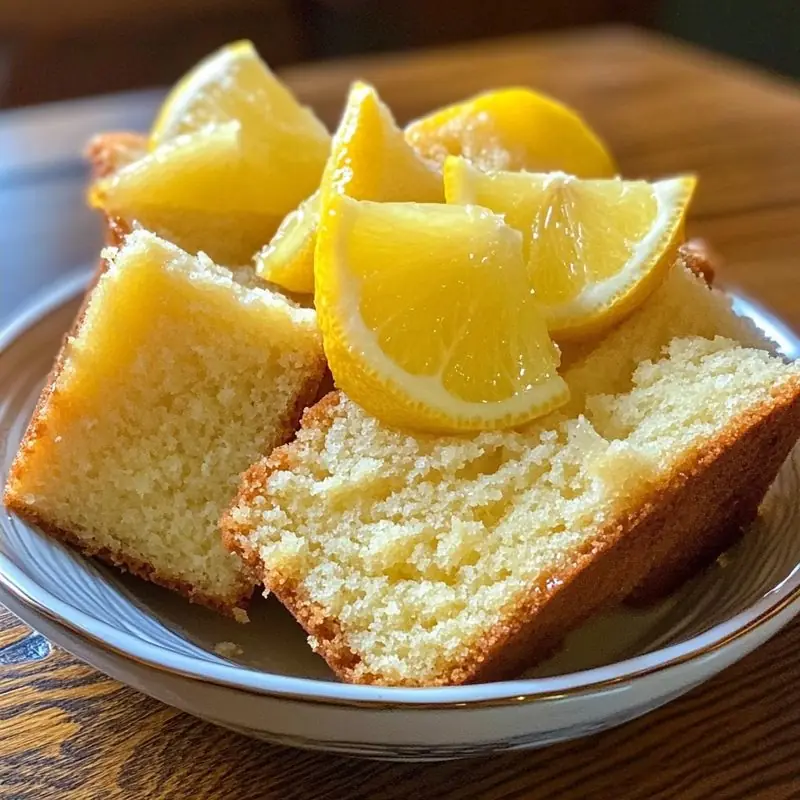
How to Make Classic Lemon Pound Cake Loaf
Before you do anything else, preheat your oven to 325°F. Pound cake bakes low and slow — this is what gives it that even, tight crumb without a huge dome or burnt edges. Take a moment to get all your ingredients measured and lined up before you start mixing. Baking goes so much more smoothly when you’re not scrambling to measure flour with one hand while you’re stirring with the other.
- Prep your pan. Grease a 9×5-inch loaf pan with butter or nonstick spray, then line it with parchment paper, leaving a 2-inch overhang on the two long sides. Grease the parchment too. Set it aside.
- Whisk the dry ingredients. In a medium bowl, whisk together the flour, baking powder, baking soda, and salt. Set aside. Getting the dry ingredients evenly combined now means you won’t have to over-mix the batter later to get rid of lumps.
- Cream the butter and sugar. In a large mixing bowl, beat the softened butter and granulated sugar together with a hand mixer on medium-high speed for 3 to 4 full minutes. Don’t rush this step. You want the mixture to go from looking yellow and grainy to pale, fluffy, and almost white. That air is what gives the cake its lift and lightness. This is genuinely the most important step in the whole recipe, so set a timer and be patient.
- Add the lemon zest. Add the tablespoon of lemon zest directly to the creamed butter and sugar, and beat for another 30 seconds. Adding the zest here, rather than with the wet ingredients, lets it bloom into the fat, which carries lemon flavor in a way that liquid can’t. Your kitchen is going to smell absolutely wonderful at this point.
- Add the eggs one at a time. Add the eggs one at a time, beating well after each addition — about 30 seconds each. The batter might look slightly curdled or broken between eggs. That’s okay. Just keep beating and it will come back together. If it really does look separated, your eggs might have been too cold; just keep going and it’ll smooth out once the flour goes in.
- Mix in the sour cream and flavorings. Add the sour cream, lemon juice, vanilla extract, and lemon extract. Mix on low until just combined. At this stage, it might look a little lumpy or slightly curdled — perfectly normal. Don’t panic.
- Add the flour mixture. Add the dry ingredients all at once and mix on low speed just until no streaks of flour remain. Stop as soon as it comes together. Over-mixing at this point develops gluten and will make your pound cake tough rather than tender. A few stirs with a spatula at the end to scrape the bottom of the bowl is all you need.
- Pour and bake. Pour the batter into your prepared pan and smooth the top with a spatula. Give the pan a gentle tap on the counter to release any large air bubbles. Bake at 325°F for 55 to 65 minutes, or until a toothpick inserted into the center comes out with just a few moist crumbs (not wet batter). The top should be deep golden and may have a lovely crack running down the center — that’s classic pound cake and it’s beautiful.
- Cool slightly before glazing. Let the cake cool in the pan for 15 minutes, then lift it out using the parchment handles and set it on a wire rack. You want the cake to be warm — not hot, not fully cool — when you add the glaze. Warm cake absorbs some of the glaze into those cracks and crevices, which creates little pockets of pure lemon magic.
- Make and pour the glaze. Whisk together the sifted powdered sugar and 2 tablespoons of lemon juice until smooth. It should be thick like honey but still pourable. Add more lemon juice a teaspoon at a time if needed. Pour it over the warm loaf and use the back of a spoon to gently nudge it toward the edges. Let it drip down the sides naturally. Sprinkle the extra lemon zest on top if you’re using it. Let the glaze set for at least 20 minutes before slicing.
The hardest part of this whole recipe, honestly, is waiting those 20 minutes while your kitchen smells like a dream. But please wait. The glaze needs time to set up so you get clean, beautiful slices instead of a gooey mess. I usually make a cup of tea to keep myself occupied.
Tips, Variations, and Storage
Tips for the Best Results
- Room temperature everything. I mentioned it above but I’ll say it again — butter and eggs at room temperature make a genuinely smoother, better-emulsified batter. It’s worth the 30-minute wait.
- Don’t open the oven early. Pound cake is sensitive to temperature drops in the first 40 minutes. Resist the urge to peek. Wait until the 50-minute mark before you check.
- Tent with foil if browning too fast. If the top is getting very dark before the center is done, lay a loose piece of foil over the pan for the remaining bake time. It’ll protect the top without trapping steam.
- Use a toothpick or cake tester, not a timer, to determine doneness. Every oven is different. Start checking at 55 minutes and go by what the toothpick tells you, not the clock.
Delicious Variations
- Lemon blueberry pound cake loaf. Fold ¾ cup of fresh or frozen blueberries (tossed in 1 tablespoon of flour) into the finished batter before pouring it into the pan. They won’t sink and they burst beautifully when the cake bakes. This is a personal favorite. If you’re into blueberry-lemon combinations, you should also check out my lemon blueberry muffins — same bright flavors, perfect for a weekday morning.
- Lemon poppy seed. Add 2 tablespoons of poppy seeds to the dry ingredients for a classic twist with a little texture in every bite.
- Lavender lemon. Add ½ teaspoon of culinary lavender (ground lightly in a mortar) to the creamed butter and sugar for a floral, bakery-style variation that feels incredibly elegant.
- Extra lemony glaze. Double the glaze recipe and do two pours — one while the cake is warm, one after it’s fully cooled. The result is a thick, opaque glaze that crackles slightly when you slice through it. Absolutely stunning.
Make-Ahead and Storage
This lemon pound cake loaf stores beautifully. Wrap the cooled, glazed loaf tightly in plastic wrap and keep it at room temperature for up to 4 days. I actually think it tastes best on day two, once the glaze has fully soaked in and the crumb has had time to settle. You can also freeze it — either the whole loaf or individual slices — wrapped tightly in plastic and then foil for up to 3 months. Thaw at room temperature overnight and it’ll taste just-baked. If you love keeping easy, crowd-pleasing baked goods in your freezer rotation, my classic vanilla bundt cake also freezes perfectly and is wonderful to have on hand.
Serving Ideas
- Serve slices alongside fresh berries and a dollop of lightly sweetened whipped cream for an easy but impressive dessert.
- Toast a slice in the toaster oven and top it with a smear of butter for a breakfast that feels like a total treat.
- Wrap individual slices in cellophane tied with a ribbon — this cake makes a thoughtful, homemade gift that people genuinely get excited about.
- Serve alongside afternoon tea or coffee. It pairs especially well with an Earl Grey or a bright, floral green tea.
If you’re on a roll with lemon baking, I’d also love for you to try my lemon bars with shortbread crust — they use that same combination of fresh zest and juice for a filling that’s tart, silky, and completely irresistible.
Frequently Asked Questions About Classic Lemon Pound Cake Loaf
Why did my lemon pound cake sink in the middle?
A sunken center almost always means the cake was underbaked or the oven door was opened too early. Make sure you’re testing with a toothpick rather than going by time alone, and resist opening the oven before the 50-minute mark. It can also happen if you used too much leavening — be precise with your baking powder and baking soda measurements.
Can I use bottled lemon juice instead of fresh?
You can, but I really don’t recommend it. Bottled lemon juice has a flatter, slightly sharper flavor that doesn’t bloom the same way fresh juice does when it bakes. Since lemon is the star of this entire loaf, fresh juice makes a noticeable difference. A bag of lemons is inexpensive and you’ll use every bit — the zest goes in the batter and glaze, and the juice goes everywhere. It’s worth it.
Can I make this lemon pound cake loaf without a hand mixer?
Yes, but your arm will get a workout. The key step is creaming the butter and sugar, which needs to be done vigorously to incorporate enough air. If you’re going by hand, use a wooden spoon and beat the butter and sugar for a full 5 to 6 minutes, really working it until it’s pale and noticeably lighter in texture. The rest of the steps are easy to do by hand. A stand mixer also works beautifully if you have one.
How do I know when my pound cake is done baking?
A toothpick or thin cake tester inserted into the very center of the loaf should come out with just a few moist crumbs clinging to it — no wet batter. The top of the loaf will be deep golden brown, and if you gently press the center it should spring back rather than feeling soft and jiggly. Start checking at 55 minutes and don’t be surprised if it needs the full 65 minutes — loaf pans vary and ovens run differently.
Can I make this lemon pound cake loaf into muffins or a regular cake pan?
Absolutely. For muffins, fill a standard 12-cup muffin tin about two-thirds full and bake at 350°F for 18 to 22 minutes. For a round 9-inch cake pan, bake at 325°F for 40 to 50 minutes. Just remember that changing the pan size changes the bake time, so keep your toothpick handy and check early. The glaze works beautifully on any format — just drizzle it on while the baked goods are still warm.
Make This Loaf This Weekend
If there’s one baked good you put on your weekend list this week, let it be this lemon pound cake loaf. It’s the kind of recipe that feels like a little act of love — for yourself, for your family, for whoever’s lucky enough to be at your table. The ingredients are humble and affordable, the method is forgiving, and the result is genuinely stunning. That golden crust, that silky glaze, those fragrant wisps of lemon zest on top — it never stops being satisfying to pull this out of the oven.
If you make it, I’d love to hear how it turned out for you. Leave a comment below and let me know if you tried any of the variations — especially the blueberry version. And if you’re saving this for later (which, please do), pin it now so you can find it easily when that lemon craving hits. Happy baking, friend. I really think you’re going to love this one.