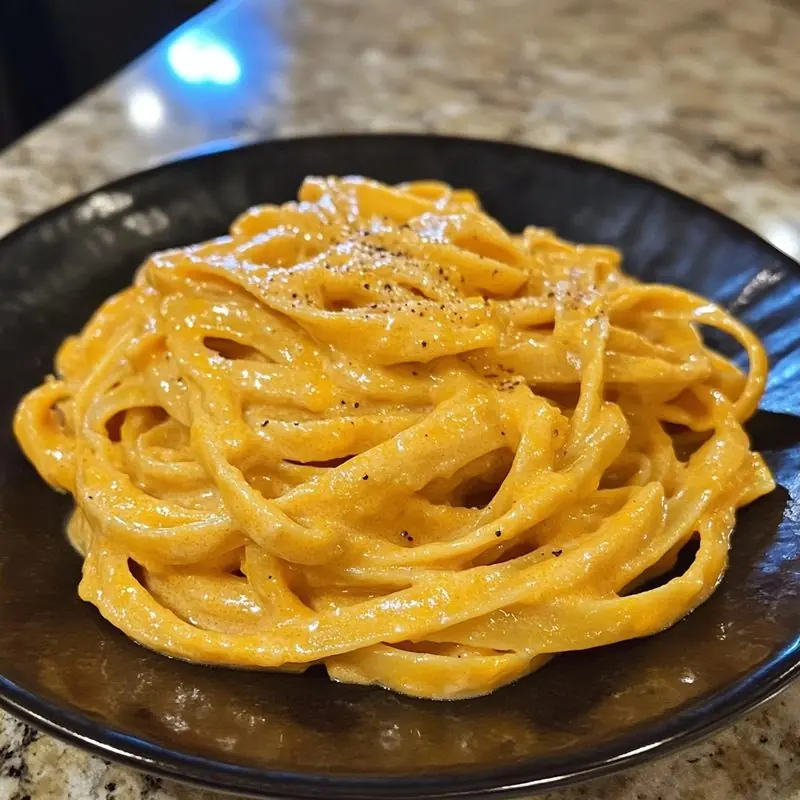
The first time I made this Creamy Butternut Squash Pasta, it was one of those chaotic October evenings where the sun had already disappeared by 5 PM and everyone in the house was hungry, grumpy, and hovering near the kitchen like little wolves. I had half a butternut squash sitting on the counter that I’d been meaning to use for three days, a box of rigatoni in the pantry, and exactly zero motivation to do anything complicated. So I roasted the squash, blended it with some broth and cream, tossed it with pasta, and braced myself for the usual chorus of “what IS this?” from my family.
- 3 pounds butternut squash (about 1 medium squash), peeled, seeded, and cut into 1-inch cubes
- 3 tablespoons olive oil, divided
- 5 cloves garlic (1 whole unpeeled for roasting, 4 peeled for the sauce)
- 1 pound rigatoni
- 1 cup chicken or vegetable broth (low-sodium)
- 1/2 cup heavy cream
- 3/4 cup freshly grated parmesan, plus more for serving
- 1/4 teaspoon ground nutmeg
- 2 tablespoons unsalted butter
- 8–10 fresh sage leaves
- Salt and black pepper, to taste
- Red pepper flakes, optional
- Preheat your oven to 400°F. Line a large baking sheet with parchment paper or foil.
- Toss the cubed butternut squash with 2 tablespoons of olive oil, a generous pinch of salt, and several cracks of black pepper. Spread in a single layer on the prepared baking sheet, making sure not to crowd the pan.
- Nestle 1 whole unpeeled garlic clove in the center of the squash. Roast for 25–30 minutes, flipping once halfway through, until the squash is tender and the edges are caramelized and golden brown.
- While the squash roasts, bring a large pot of generously salted water to a boil. Cook the rigatoni until just shy of al dente, about 1–2 minutes less than the package directions. Reserve 1 cup of pasta water before draining. Drain and set aside.
- Once the squash is done, let it cool for a few minutes. Squeeze the roasted garlic out of its skin. Transfer the roasted squash and roasted garlic to a blender. Add the broth, heavy cream, 4 raw peeled garlic cloves, and nutmeg. Blend until completely smooth and velvety, about 60 seconds. Use caution with hot liquids — fill blender only halfway and hold a folded kitchen towel over the lid. Alternatively, use an immersion blender in a large saucepan.
- Pour the blended sauce into a large deep skillet over medium heat. Stir in half of the parmesan. Taste and adjust salt and pepper. If the sauce is too thick, add a splash of reserved pasta water to loosen it.
- Add the drained rigatoni to the sauce and toss over medium-low heat for about 2 minutes, letting the pasta finish cooking in the sauce. Add reserved pasta water a little at a time as needed so the sauce coats every piece of pasta smoothly. Stir in the remaining parmesan.
- In a small skillet, melt the butter over medium heat. Once it begins to foam and turn light golden, add the sage leaves in a single layer. Fry for 1–2 minutes until the sage is crispy and the butter is nutty and browned. Remove from heat.
- Divide the pasta among bowls. Spoon the brown butter and crispy sage over the top. Finish with extra parmesan, a pinch of red pepper flakes if desired, and a crack of black pepper. Serve immediately.
They ate every single bite. My husband asked for seconds. My picky nine-year-old — the child who once refused to eat anything orange — cleaned her bowl without a single complaint. That silky, golden sauce has a sweetness from the roasted squash that’s balanced perfectly by savory parmesan, a little garlic, and a whisper of nutmeg that just screams fall. It smells incredible while it’s cooking, like something you’d order at a cozy Italian restaurant tucked into a Vermont mountain town. And the color? That deep amber-gold coating every ridge of the pasta is genuinely one of the most beautiful things you can put on a weeknight dinner table.
This recipe has become my most-requested fall dinner, and honestly, I think it belongs in every home cook’s rotation from September through November. It’s the kind of meal that feels special enough for company but is simple enough to pull off on a Tuesday. If you love hearty, cozy fall recipes that don’t require a culinary degree, this one is absolutely for you.
Why You’ll Love This Recipe
- It’s deeply comforting without being heavy. The butternut squash sauce is creamy and luxurious but lighter than an Alfredo — it has this beautiful veggie-forward quality that makes you feel good while you’re eating it.
- Ready in about 40 minutes. Most of that is hands-off roasting time, so you’re free to help with homework, pour yourself a glass of wine, or just stand by the oven and inhale that incredible aroma.
- Kid-approved and picky-eater friendly. The sauce is naturally a little sweet, which kids tend to love, and because it’s blended smooth, there are no suspicious vegetable chunks to negotiate around.
- Made with simple, real ingredients. Nothing fancy here — butternut squash, pasta, garlic, broth, cream, and parmesan. You probably have most of this already.
- Easy to make vegetarian or adapt. It’s naturally meatless, but you can add crispy pancetta, Italian sausage, or even roasted chickpeas to make it heartier. There’s so much flexibility built right in.
What You’ll Need
Let’s talk ingredients before we dive in, because a few of these have tips worth knowing. Nothing on this list is hard to find — your regular grocery store has everything.
- Butternut squash (about 3 pounds, or one medium squash): Fresh is best here. Roasting it yourself takes a little time but creates a depth of flavor you simply can’t get from canned puree. That caramelization on the edges of the squash is where so much of the flavor lives. If you’re really pressed for time, pre-cut butternut squash from the produce section works perfectly and saves a lot of chopping.
- Rigatoni (1 pound): I love rigatoni for this because the ridges and hollow center catch all that creamy sauce. Penne, cavatappi, or even fettuccine work beautifully too. Whatever pasta you love, use it.
- Olive oil (3 tablespoons, divided): Use a good quality one since part of it goes directly into the sauce.
- Garlic (5 cloves): Fresh, please. Four cloves go into the sauce and one gets roasted right alongside the squash. Don’t substitute garlic powder here — the real thing makes a huge difference.
- Chicken or vegetable broth (1 cup): Either works. Vegetable broth keeps this fully vegetarian. Low-sodium is my preference so you can control the salt level yourself.
- Heavy cream (½ cup): This is what makes the sauce feel truly luxurious. You can swap in half-and-half for a lighter version, or even full-fat coconut milk if you’re dairy-free — the sauce will still be wonderful.
- Freshly grated parmesan (¾ cup, plus more for serving): Please grate it yourself. Pre-shredded parmesan has anti-caking agents that prevent it from melting smoothly into the sauce. A block of good parmesan and a box grater are worth the thirty seconds of extra effort.
- Ground nutmeg (¼ teaspoon): Don’t skip this. It’s subtle but it ties everything together and makes the sauce taste like fall in a bowl. If you have whole nutmeg and a microplane, even better.
- Fresh sage (8–10 leaves): For the crispy sage garnish. This is optional but I beg you not to skip it. Fried sage in browned butter on top of this pasta is a game-changer. It takes two minutes and elevates the whole dish.
- Unsalted butter (2 tablespoons): For the brown butter sage situation. Again — do not skip.
- Salt and black pepper: Season generously at every stage. Pasta water should be salty like the sea.
- Red pepper flakes (optional): A pinch adds a nice little warmth that contrasts beautifully with the sweet squash.
How to Make Creamy Butternut Squash Pasta
This recipe has three main components: roasting the squash, making the sauce, and cooking the pasta. They all come together beautifully, and I’ll walk you through each step with all the tips you need.
- Preheat your oven to 400°F. Line a large baking sheet with parchment paper or foil. This makes cleanup so much easier and prevents sticking.
- Prep the squash. Peel the butternut squash, remove the seeds, and cut it into roughly 1-inch cubes. They don’t have to be perfect — just try to keep them similar in size so they roast evenly. Toss the cubed squash with 2 tablespoons of olive oil, a generous pinch of salt, and a few cracks of black pepper. Spread it in a single layer on your prepared baking sheet. Nestle 1 whole, unpeeled garlic clove right in the middle of the squash — it’ll roast in its skin and turn buttery and sweet. Don’t crowd the pan or the squash will steam instead of roast, and you’ll miss out on all that gorgeous caramelization.
- Roast for 25–30 minutes, flipping once halfway through, until the squash is tender and the edges are turning golden brown in spots. Those caramelized bits are pure flavor — don’t pull the pan too early. When it’s done, let it cool for just a few minutes, then squeeze the roasted garlic clove out of its skin.
- Cook your pasta. While the squash roasts, bring a large pot of water to a boil. Salt it aggressively — I mean it, this is your one chance to season the pasta itself. Cook the rigatoni until just shy of al dente, about 1–2 minutes less than the package says. Before you drain it, scoop out about 1 cup of pasta water and set it aside. You’ll need it. Drain the pasta and set it aside.
- Make the butternut squash sauce. Transfer the roasted squash and the squeezed-out roasted garlic to a blender. Add the broth, heavy cream, the remaining 4 raw garlic cloves (they’ll mellow in the hot liquid — don’t worry), and the nutmeg. Blend until completely smooth and velvety. This should take about 60 seconds in a standard blender. Be careful with hot liquids in the blender — fill it only halfway and hold a folded kitchen towel over the lid. If you have an immersion blender, you can do this step right in a large saucepan instead, which is honestly easier and means fewer dishes.
- Finish the sauce in a pan. Pour the blended sauce into a large, deep skillet or saucepan over medium heat. Stir in about half of the parmesan. Taste it and adjust salt and pepper. The sauce should be thick, creamy, and deeply savory with that gentle sweetness from the squash. If it seems too thick, add a splash of your reserved pasta water to loosen it.
- Toss the pasta. Add the drained rigatoni directly into the sauce. Toss everything together over medium-low heat for about 2 minutes, letting the pasta finish cooking in the sauce and absorb all that gorgeous flavor. Add more pasta water a little at a time if you need to — the sauce should coat every piece of pasta silkily, not sit in a puddle at the bottom. Stir in the remaining parmesan. Taste one more time and season if needed.
- Make the crispy sage brown butter (don’t you dare skip this). In a small skillet, melt the butter over medium heat. It’ll foam, then settle, then start to smell nutty and look golden. That’s brown butter, and it smells like heaven. Once it’s a light amber color, add the fresh sage leaves in a single layer. They’ll sizzle and crisp up in about 30–45 seconds. Remove them with a slotted spoon onto a paper towel. Pour the brown butter right over the pasta just before serving and lay the crispy sage leaves on top.
- Serve immediately with extra parmesan, a pinch of red pepper flakes if you like heat, and a big green salad on the side. Gather everyone around the table before it gets cold — this one is best eaten fresh and hot.
Tips, Variations, and Storage
I’ve made this Creamy Butternut Squash Pasta probably two dozen times by now, and I’ve learned a few things along the way that I really want to share with you.

Make It Ahead
You can roast the butternut squash up to two days in advance and keep it in an airtight container in the refrigerator. The sauce itself also stores well for up to 3 days — just reheat it gently on the stove with a splash of broth or water to bring it back to the right consistency. Cook the pasta fresh when you’re ready to serve for the best texture. If you love prepping fall recipes ahead on Sundays, this one is perfect for that. You can also try this make-ahead roasted vegetable pasta bake, which uses a similar prep-ahead strategy and is fantastic for feeding a crowd.
Add Some Protein
This pasta is completely satisfying as a vegetarian main, but if you want to add protein, here are my favorite options: crispy pancetta or bacon bits stirred in at the end, Italian sausage browned in the skillet before adding the sauce, shredded rotisserie chicken folded in with the pasta, or roasted chickpeas on top for a plant-based protein boost. If you’re a chicken lover, you’ll probably also adore my creamy garlic parmesan chicken thighs — it has a similarly cozy, rich sauce that screams fall comfort food.
Swap the Pasta Shape
Rigatoni is my forever favorite here, but this sauce works with just about any pasta. Pappardelle gives it a more elegant, restaurant feel. Penne is a classic choice. Even a simple spaghetti works in a pinch. Just make sure whatever you use is cooked just slightly underdone before you add it to the sauce — it’ll finish cooking in there and absorb so much more flavor.
Make It Dairy-Free
Swap the heavy cream for full-fat coconut milk (the kind from a can, not the beverage) and use a good dairy-free parmesan or nutritional yeast in place of the regular parmesan. The sauce will still be incredibly creamy and flavorful. The coconut milk adds just the tiniest hint of sweetness that actually works beautifully with the butternut squash.
Storage and Reheating
Store leftovers in an airtight container in the fridge for up to 3 days. The pasta will absorb the sauce as it sits, so when you reheat it, add a good splash of broth, water, or a little cream and warm it gently on the stovetop over low heat, stirring often. The microwave works too — just cover it and add a splash of liquid, then heat in 60-second intervals, stirring between each one. I don’t recommend freezing this one, as the cream sauce can separate when thawed.
Serving Ideas
This pasta is rich and satisfying on its own, but I love pairing it with a simple arugula salad dressed with lemon and olive oil — the peppery bitterness of the arugula cuts through the richness beautifully. Crusty bread for sauce-swiping is non-negotiable in my house. A glass of something crisp and white, like a Pinot Grigio or unoaked Chardonnay, is the perfect fall companion. And if you’re making this for a dinner party, check out this easy apple cider vinaigrette salad as a starter — it’s autumn on a plate and takes five minutes to throw together.
Frequently Asked Questions About Creamy Butternut Squash Pasta
Can I use canned butternut squash puree instead of roasting fresh squash?
You can, and it’ll still be tasty — but I’d really encourage you to roast fresh squash if you have the time. Roasting concentrates the natural sugars and creates a depth of flavor that canned puree just can’t replicate. If you use canned puree, go with about 1½ cups and add a tiny bit of extra garlic and a pinch of smoked paprika to compensate for the missing roasted flavor.

My sauce looks too thick — how do I fix it?
Pasta water is your best friend here. That starchy, salty water you saved from cooking the pasta is liquid gold — add it a few tablespoons at a time, stirring as you go, until the sauce reaches that perfect silky consistency that coats the pasta without being gloppy. A splash of extra broth works too. This is actually one of the most useful pasta-cooking tricks in general, so tuck it away for future use.
Can I make this recipe gluten-free?
Absolutely. The sauce itself is already naturally gluten-free — just swap in your favorite gluten-free pasta. I’ve had great results with chickpea pasta and brown rice pasta in this recipe. Just watch the cooking time carefully, as gluten-free pastas can go from perfectly al dente to mushy pretty quickly.
How do I keep the blender from exploding when I blend the hot squash?
Hot liquid in a blender can be dangerous if you’re not careful — the steam builds pressure fast. Fill the blender no more than halfway, remove the center cap from the lid and hold a folded kitchen towel firmly over the hole instead, and start on the lowest speed. Better yet, use an immersion blender right in the pot — it’s safer, faster, and means one less thing to wash. I make this sauce with my immersion blender almost every time now.
What can I add to make this pasta more filling for big appetites?
A few great options: stir in a can of drained white beans (cannellini beans are incredible in this), add browned Italian sausage, or top with a fried egg for something a little unexpected but absolutely delicious. You can also simply increase the pasta to 1.5 pounds and thin the sauce out a little more with extra broth — that’ll feed a bigger crowd without any other changes. If your family loves hearty pasta dinners, you’ll definitely want to save my one-pot cheesy beef pasta for those especially hungry nights.
One More Thing Before You Go
If you make nothing else from my fall recipe collection this season, make this Creamy Butternut Squash Pasta. It’s the recipe I come back to again and again when I want something that feels special without any drama. The sauce is gorgeous and golden, the pasta is perfectly coated and cozy, and those crispy sage leaves on top? They turn a simple weeknight dinner into something that feels genuinely celebratory. Fall cooking is my absolute favorite, and this dish is a huge part of why. I’d also love for you to check out my easy pumpkin soup recipe if you’re in full autumn mode — it pairs beautifully with crusty bread and is ready in under 30 minutes.
I really hope this becomes a staple in your home the way it has in mine. When you make it, leave a comment below and let me know how it went — I read every single one and I love hearing your tweaks and stories. And if you’re saving this for later (smart move), pin it now so you can find it on the next cold evening when you need something warm and wonderful. Happy cooking, friend — you’ve totally got this.